
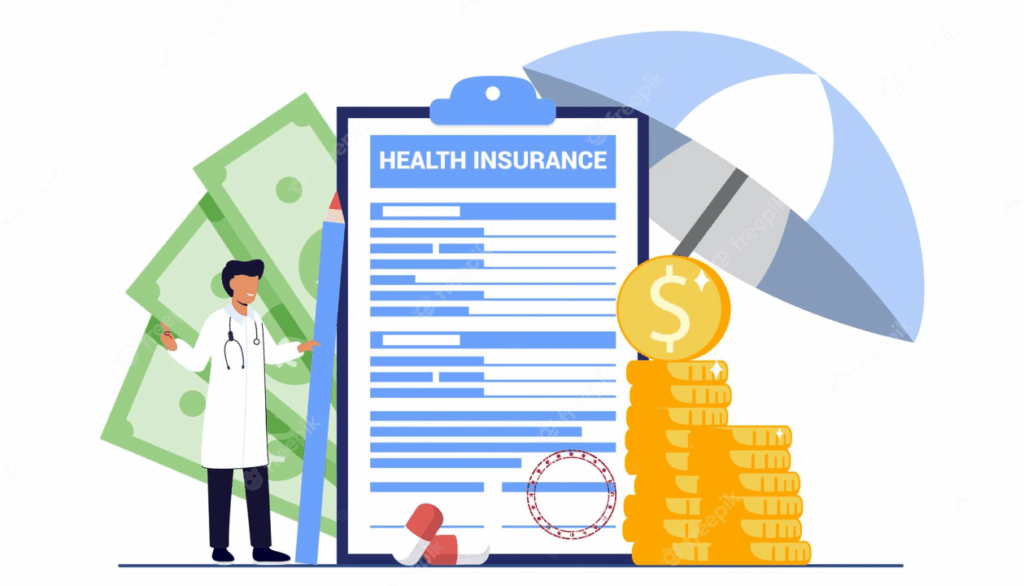
What is Reimbursement in Health Insurance?
Reimbursement means you first pay the medical bills yourself, and then submit all required documents to the insurance company or TPA to get the money refunded to your bank account.
It’s used when:
You get treated at a non-network hospital
Or, you choose not to go for cashless treatment
Or, the cashless claim was denied, but the treatment is still covered under your policy
Reimbursement Claim Process
Step-by-Step:
Get Treated & Pay the Bills
You pay all hospital and medical bills directly at the time of treatment/discharge.
Collect Original Documents
Bills, payment receipts, discharge summary, reports, prescriptions, etc.
Fill the Claim Form
Make sure all mandatory fields are filled and signed.
Submit the Documents
Send the claim form + original documents to the TPA/insurance company (physically or digitally, based on policy).
Claim Review
Insurer verifies all documents and checks policy coverage.
Reimbursement Payment
If everything is valid, the claim is approved and payment is made to your bank account (usually within 15–30 days).
Documents Required
Duly filled claim form
Original hospital bills + payment receipts
Discharge summary
Diagnostic test reports
Doctor’s prescriptions
ID proof
Insurance card copy
Cancelled cheque (for bank details)
Important Notes:
Always keep a copy of all documents you submit.
Submit your claim within the timeline mentioned in your policy (usually 15–30 days post discharge).
Partial approvals or deductions may happen if:
Some items are not covered (like non-medical items)
Sum insured is exhausted
Co-payment or sub-limit applies