
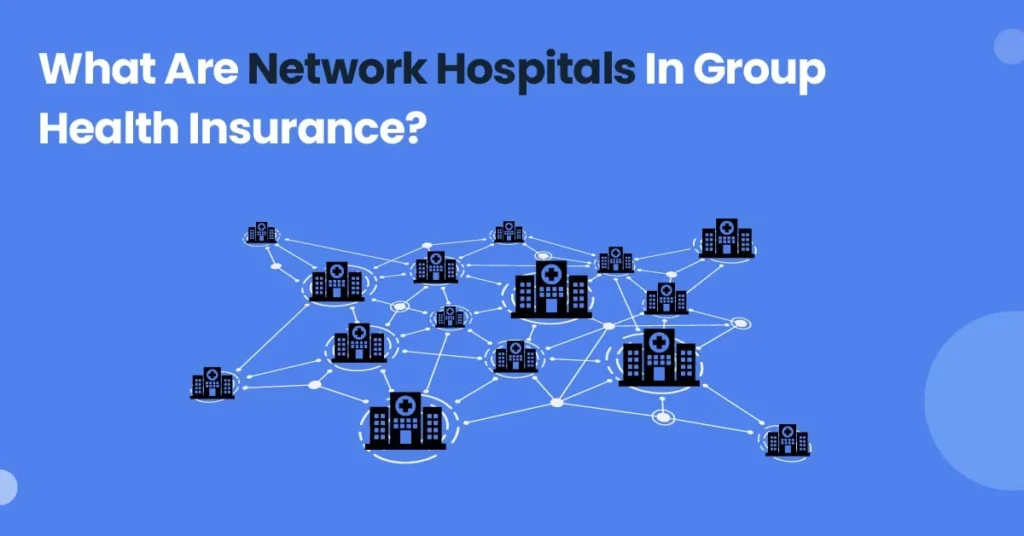
The Network Hospital List refers to a list of hospitals that are affiliated with an insurance provider or Third-Party Administrator (TPA) for providing cashless medical services under a health insurance policy.
What it means:
These are pre-approved hospitals by your insurance company.
You can get cashless treatment at these hospitals — meaning the insurance company directly settles the bill (as per your policy coverage).
You’re usually not required to pay upfront, except for any non-covered expenses or deductibles.
Why it matters:
Going to a network hospital = less paperwork and faster treatment.
Non-network hospital = you pay first, then file for reimbursement (which can take time).
How to find it:
Insurance company’s official website or mobile app.
TPA’s website (if your insurer uses one).
Customer care or policy documents.
What are the advantages of network hospitals?
- Wider Range of Services and Providers: Network hospitals provide patients with access to a broader range of healthcare services and providers. This allows patients to find the right provider for their specific needs and receive a wider range of treatments and procedures.
- Improved Continuity of Care: Network hospitals ensure improved continuity of care for patients. When patients receive care at a network hospital, their medical records and treatment plans are easily accessible to all providers in the network, ensuring that they receive consistent, high-quality care, regardless of which facility they visit.
- Lower Healthcare Costs: Network hospitals often offer lower healthcare costs due to negotiated rates with insurance providers. This can help make medical treatment more affordable for patients and reduce financial stress.
- Access to Specialists and Advanced Treatments: Network hospitals provide increased access to specialists and advanced medical treatments. With a larger pool of healthcare professionals and specialists, patients have a better chance of finding the right provider for their needs.
- Simplified Insurance Coverage and Claims Process: Network hospitals simplify the insurance coverage and claims process for patients. With a network hospital, patients can receive care and file claims with the peace of mind that their insurance will cover the costs.
- Cashless Treatment: Network hospitals allow patients to receive cashless treatment if their insurance policy covers the costs. This eliminates the need for patients to pay for treatment out-of-pocket and reduces financial stress.
How can you file for a cashless claim in a network hospital?
To file a cashless claim in a network hospital, you can follow these steps:
- Choose a Network Hospital: Make sure the hospital you choose is part of your insurance company’s network of providers.
- Get a referral from your doctor: If required, obtain a referral from your primary care doctor to visit a specialist at the network hospital.
- Inform the hospital: When you arrive at the network hospital, inform the hospital that you have insurance and wish to file a cashless claim.
- Provide Insurance Details: Provide the hospital with your insurance details, including your policy number, insurance company name, and contact information.
- Submit Claim Request: The hospital will then submit a pre-authorization request to your insurance company on your behalf. This request outlines the medical treatment you need and the estimated costs.
- Approval or Rejection of Claim: The insurance company will review the pre-authorization request and approve or reject the claim. If the claim is approved, the hospital will proceed with the treatment, and the insurance company will cover the costs.
- Pay Any Out-of-Pocket Costs: If the claim is partially approved, you may need to pay any out-of-pocket costs not covered by your insurance policy.
- Retain all receipts and documents: Make sure to keep all receipts, bills, and other related documents for future reference and for submitting the claim with the insurance company after the treatment is completed.